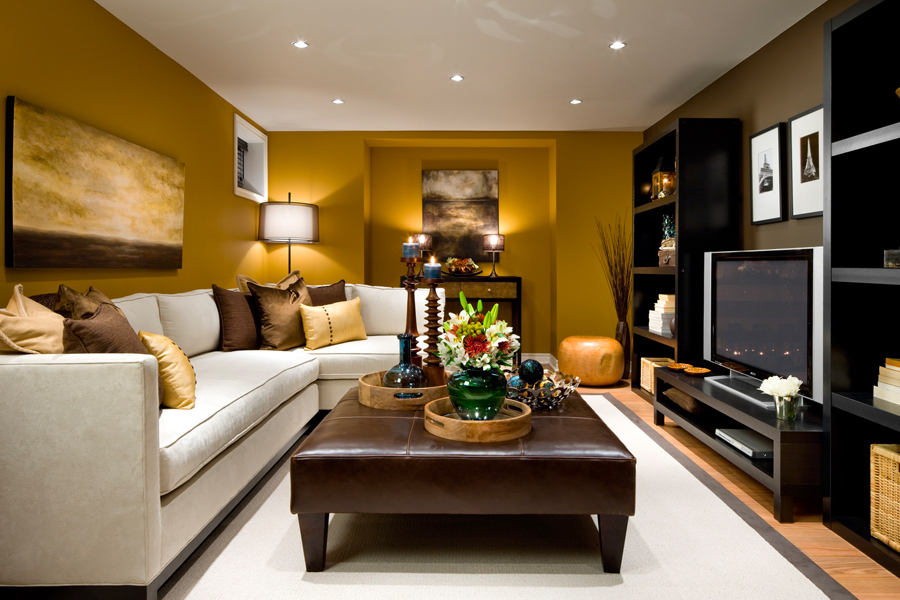
Home Staging Tips That Help You Sell Faster
Home Staging Tips That Help You Sell Faster offers valuable insights into the art of staging your home to attract buyers quickly. From enhancing curb appeal to choosing the right color schemes, these tips are essential for a successful sale.
This guide will delve into key areas to focus on, decluttering techniques, lighting and color choices, furniture arrangement tips, and adding finishing touches to make your home stand out in the market.
Importance of Home Staging
When it comes to selling a property quickly, home staging plays a crucial role in attracting potential buyers and increasing the perceived value of a home.
Enhancing Visual Appeal
Home staging focuses on optimizing the visual appeal of a property by decluttering, depersonalizing, and arranging furniture in a way that showcases the space effectively. This helps potential buyers envision themselves living in the home, making it more appealing and desirable.
Increasing Perceived Value
By staging a home with tasteful decor and furniture, it can create a perception of higher value in the minds of potential buyers. A well-staged home suggests that the property is well-maintained and cared for, leading buyers to be willing to pay more for a space they perceive as valuable.
Attracting Potential Buyers
Properly staged homes tend to stand out in real estate listings and attract more attention from potential buyers. The visually appealing photos of a staged home can generate more interest and lead to increased showings, ultimately resulting in a quicker sale.
Key Areas to Focus on
When staging a home for sale, certain key areas play a crucial role in making a lasting impression on potential buyers. By focusing on specific areas such as the living room, kitchen, bedrooms, and curb appeal, you can significantly enhance the overall appeal of the property and increase the likelihood of a quick sale.
Living Room
One of the main areas that should be staged is the living room, as it is often the first space that buyers see when they enter a home. By decluttering the space, arranging furniture in a welcoming layout, and adding tasteful decor, you can create a warm and inviting atmosphere that resonates with buyers.
Kitchen
The kitchen is another key area that can make a big difference in the sale of a home. By ensuring that the kitchen is clean, organized, and well-lit, you can showcase its potential as a functional and appealing space for meal preparation and gatherings. Simple upgrades such as fresh paint, new hardware, and minor repairs can go a long way in enhancing the overall look of the kitchen.
Bedrooms
Staging the bedrooms is essential for helping buyers envision themselves living in the home. Make sure the bedrooms are clean, clutter-free, and styled in a way that highlights their size and functionality. Consider adding fresh linens, decorative pillows, and subtle accents to create a cozy and relaxing atmosphere that appeals to buyers.
Curb Appeal
Curb appeal plays a significant role in creating a positive first impression of the home. By enhancing the exterior of the property through simple landscaping, fresh paint, and well-maintained walkways, you can attract buyers from the moment they arrive. Consider adding potted plants, outdoor lighting, and a welcoming entryway to make the home more inviting and appealing.
Decluttering and Depersonalizing
When preparing a home for sale, decluttering and depersonalizing are crucial steps to create a welcoming and neutral environment that appeals to potential buyers. By following these tips, you can make your home appear larger, more inviting, and ready for a new owner.
Removing personal items and photos is essential in depersonalizing your space. Buyers want to envision themselves living in the home, and seeing personal items can make it challenging for them to imagine the space as their own. By decluttering and depersonalizing, you allow buyers to focus on the features of the home rather than being distracted by personal belongings.
Organizing Belongings
- Start by decluttering each room, removing unnecessary items, and organizing belongings neatly.
- Consider renting a storage unit to store excess furniture and personal items to create a more spacious feel in the home.
- Utilize storage bins, baskets, and shelves to keep items organized and create a clean and clutter-free environment.
- Remove excessive decorations and knick-knacks to create a minimalist and neutral look that appeals to a wide range of buyers.
- Focus on creating a sense of space by clearing countertops, closets, and shelves to showcase the potential storage options in the home.
Lighting and Color Choices
When it comes to staging a home, lighting and color choices play a crucial role in creating a welcoming and appealing atmosphere for potential buyers. Proper lighting can make a space feel more open, inviting, and showcase its best features. Similarly, color choices can influence the perception of space and set the mood for different areas of the home.
Maximizing Natural Light
- Ensure that curtains or blinds are open during showings to let in as much natural light as possible.
- Clean windows regularly to allow light to filter in without obstruction.
- Position mirrors strategically to reflect natural light and brighten up darker corners.
Using Artificial Lighting Effectively
- Opt for warm white bulbs to create a cozy and inviting ambiance throughout the home.
- Add table lamps or floor lamps in darker areas to illuminate the space and create a more welcoming environment.
- Consider installing dimmer switches to adjust the lighting intensity based on the time of day and desired atmosphere.
Impact of Color Choices
- Choose neutral colors for walls and furniture to create a clean canvas that appeals to a wider range of tastes.
- Use pops of color through accessories like pillows, rugs, or artwork to add visual interest without overwhelming the space.
- Consider the psychological effects of different colors – for example, blues and greens can create a sense of calm, while yellows and oranges can evoke feelings of warmth and energy.
Furniture Arrangement and Placement
When it comes to home staging, furniture arrangement and placement play a crucial role in showcasing the best features of a property and creating a welcoming atmosphere for potential buyers. Properly arranging furniture can help maximize space, improve flow, and highlight the functionality of each room.
Maximizing Space and Flow
One strategy for maximizing space is to ensure that furniture is not overcrowding the room. Leave enough space between pieces to create a sense of openness and allow for easy movement. Consider the natural flow of the room and arrange furniture in a way that encourages a smooth transition from one area to another.
Creating a Balanced Layout
Proper furniture placement is essential for creating a balanced layout in each room. Consider the size and shape of the furniture in relation to the room dimensions. Balance larger pieces with smaller ones to create visual interest and harmony. Avoid placing all the furniture against the walls, as this can make the room feel cramped.
Highlighting Home Features
Furniture placement can also be used to highlight the unique features of a home. For example, positioning a sofa facing a fireplace can draw attention to this focal point. Placing a bed in a way that showcases a beautiful view from the window can emphasize the outdoor scenery. Use furniture to guide the eye towards architectural details or desirable aspects of the property.
Adding Finishing Touches
When it comes to staging a home, adding the right finishing touches can make a significant difference in enhancing its overall appeal. Accessorizing plays a crucial role in creating a welcoming and inviting atmosphere that resonates with potential buyers.
Incorporating Decorative Elements
One of the key aspects of adding finishing touches is incorporating decorative elements such as artwork, rugs, and plants. These items can help create a sense of warmth and personality in the space, making it more appealing to buyers.
- Artwork: Choose pieces that complement the style of the home and add visual interest to the walls. Avoid personal or controversial artwork that may distract buyers.
- Rugs: Use rugs to define spaces and add texture to the room. Opt for neutral colors and patterns that can appeal to a wide range of tastes.
- Plants: Incorporating greenery can bring life to the space and create a fresh, inviting ambiance. Select low-maintenance plants to ensure they look their best throughout the staging process.
Selecting Tasteful Accessories
When selecting accessories for staging, it’s essential to choose tasteful items that appeal to a broad audience of potential buyers. Avoid overly personal or niche decor choices and opt for pieces that enhance the overall aesthetic of the home.
- Neutral Colors: Stick to a neutral color palette for accessories to create a cohesive and harmonious look. This can help buyers envision themselves living in the space more easily.
- Quality Over Quantity: Focus on quality accessories that elevate the space rather than cluttering it with too many items. Less is often more when it comes to staging.
- Balance and Symmetry: Arrange accessories in a balanced and symmetrical manner to create a sense of harmony and order in the room. This can help create a visually appealing environment for buyers.
Last Point
In conclusion, mastering these home staging tips can significantly impact the speed and success of selling your home. By implementing these strategies, you can create a welcoming and appealing space that resonates with potential buyers, ultimately leading to a faster sale.