High-Risk Homeowners Insurance: Coverage Options for Coastal and Storm-Prone Areas
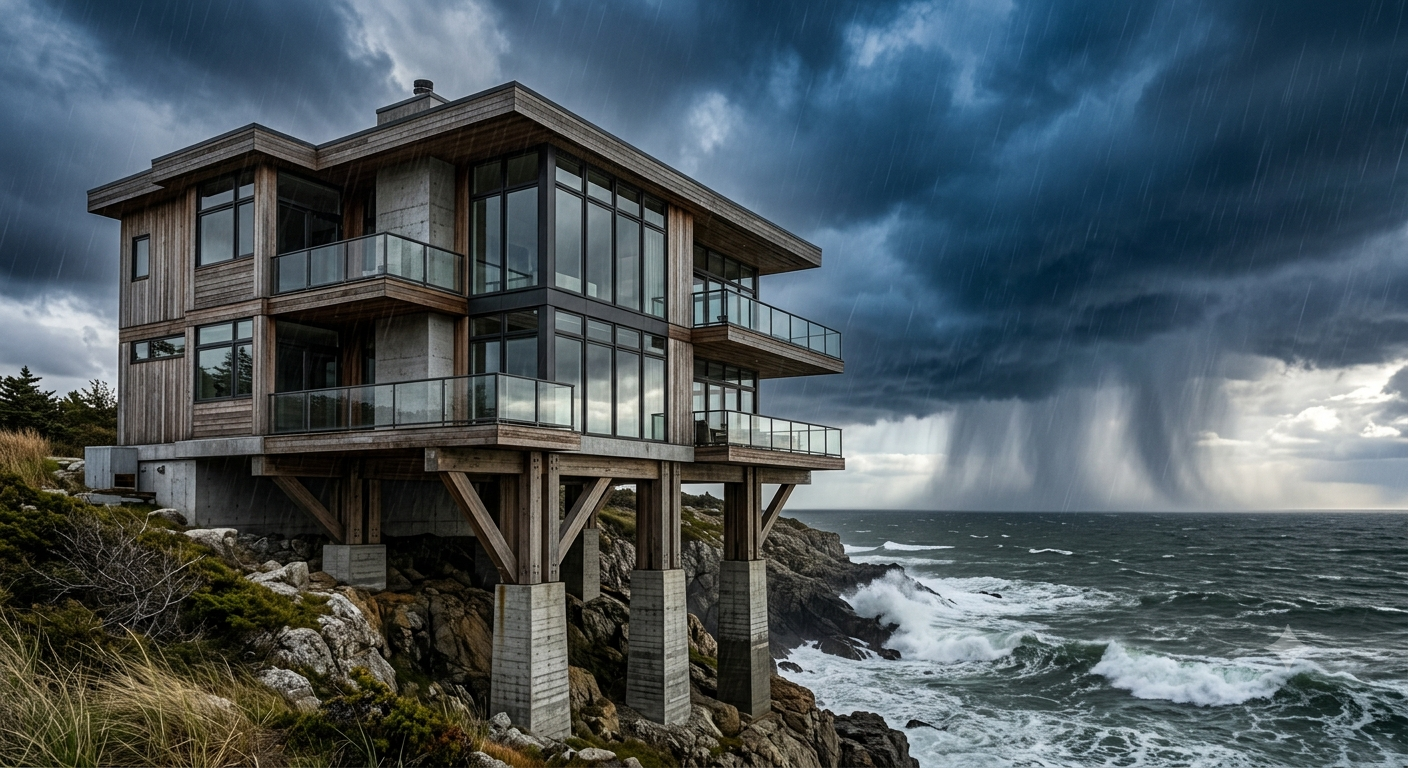
For homeowners living along coastal regions or areas prone to wildfires and tornadoes, finding affordable home insurance can be a major hurdle. Many standard insurers categorize these properties as “high-risk” and may deny coverage or charge exorbitant premiums. Understanding high-risk homeowners insurance options is essential for protecting properties in vulnerable locations.
What Qualifies a Home as High-Risk?
Insurance providers evaluate risk based on geographical data and historical weather patterns. Your property may fall into the high-risk category due to:
-
Coastal Exposure: High susceptibility to hurricane-force winds, storm surges, and salt corrosion.
-
Wildfire and Forest Proximity: Locations near dense vegetation or regions prone to seasonal droughts.
-
Severe Weather Frequency: Regions with a heavy history of hail storms, tornadoes, or severe flooding.
Specialized Coverage Solutions
If traditional insurers decline coverage, several specialized options remain available:
-
Surplus Lines Carriers: Non-standard insurance companies that specialize in covering high-risk properties that standard insurers turn away.
-
Windstorm and Hail Endorsements: Separate policies or add-ons designed specifically to cover wind-related damages in coastal zones.
-
State FAIR Plans: Fair Access to Insurance Requirements (FAIR) plans act as a state-mandated safety net, providing basic coverage for properties unable to secure insurance in the voluntary market.
How to Lower High-Risk Premiums
You can make your high-risk home more appealing to underwriters by retrofitting it with weather-resistant upgrades. Installing hurricane shutters, reinforced roof trusses, fire-resistant landscaping, and smart leak sensors can help secure lower quotes and broader coverage options.
